Everyday work practices and supported decision making
| | In bulletin 17, we looked at supported decision making. | ||
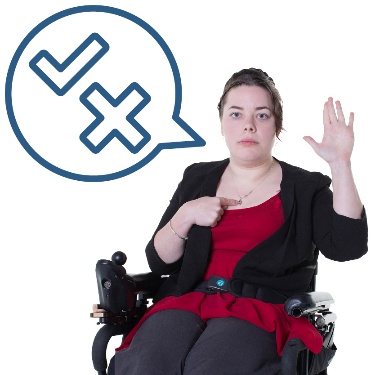
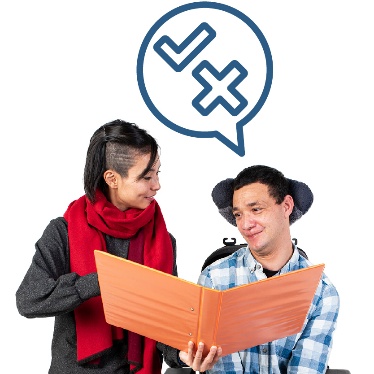
| | Supported decision making is when someone supports a person with disability to make important decisions about their life and how they live. | ||
| | For example, a provider or behaviour support practitioner. | ||
| | Behaviour support practitioners work with a person to create a behaviour support plan. This plan might include restrictive practices. They follow the rules in our policy about restrictive practices. In this bulletin, we just call them practitioners. | ||
| | A behaviour support plan is a document that explains what support a person with disability needs. | ||
| | People with disability have the same rights as others to:
| ||
| | Providers and practitioners need to make sure they support people with disability to:
| ||
| | Supported decision making helps providers and practitioners make sure people with disability have choice and control. | ||



What providers and practitioners can do
| It’s important that providers and practitioners make sure that everyone in their organisation: | ||
| | respects the rights of people with disability | |
| | has time to get to know the people they support. | |
| | Providers and practitioners can create rules about using supported decision making with people with disability. | |
| | They can make sure they think about supported decision making in all parts of their work. | |
| | Providers and practitioners can collect information about when and how they use supported decision making with people. | |
| | This will help them check what:
| |
| | Providers and practitioners should work with the person with disability to make sure the behaviour support plan includes what the person wants. | |




Supported decision making and behaviour support plans
| | Practitioners need to show a Quality Assurance Panel how they worked with the person with disability and their supports to create the behaviour support plan. |
| | A Quality Assurance Panel is a group of people who must:
|
| | Practitioners should also show how they supported the person with disability to:
|
| | This can help providers:
|
| | In our next bulletin, we’ll look at another idea about positive behaviour support. |