What is mechanical restraint?
| | In this bulletin, we talk about mechanical restraint. |
| | Mechanical restraint is when someone uses equipment that stops a person moving. |
| | It doesn’t include equipment that supports people. |
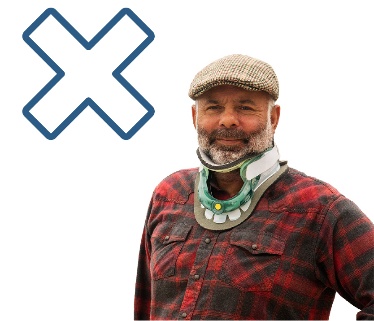
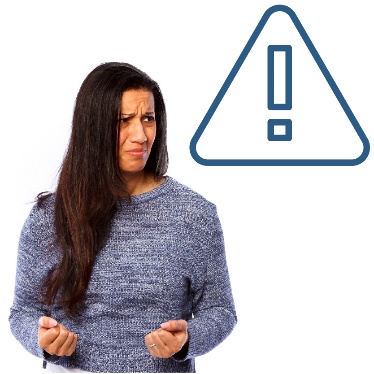
| | It is used in response to behaviours of concern. Behaviours of concern are things someone does that might put:
|
For example: | |||
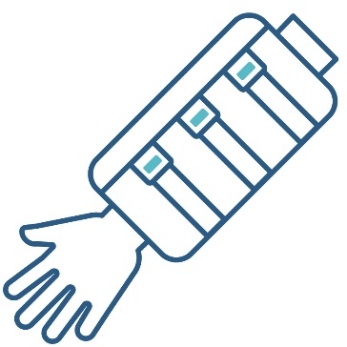
| | an arm-splint that stops a person hitting themself | ||
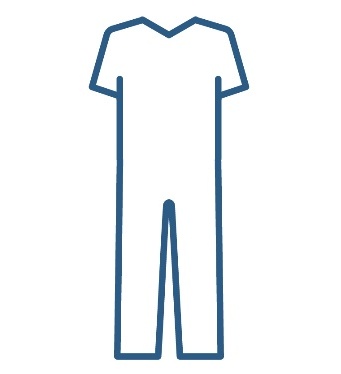
| | clothing that stops a person from taking off a pad they wear in case they wee or poo | ||
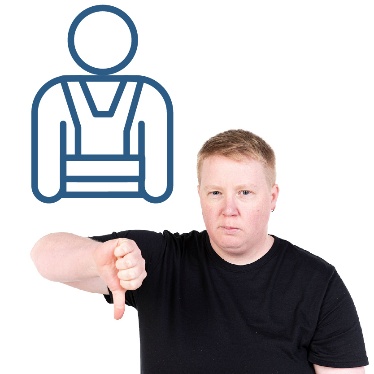
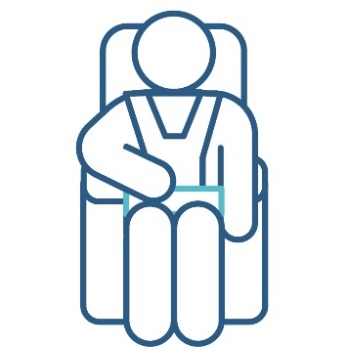
| | a Houdini harness – a device that stops a person getting out of a car seat when travelling. | ||
| | Mechanical restraint is a type of restrictive practice. | ||

Thinking about the person’s experience
| | Providers must think about how mechanical restraint affects a person before they use it. |
| | Providers should:
|
| | This will help providers understand how mechanical restraint affects the person. |


About therapeutic devices
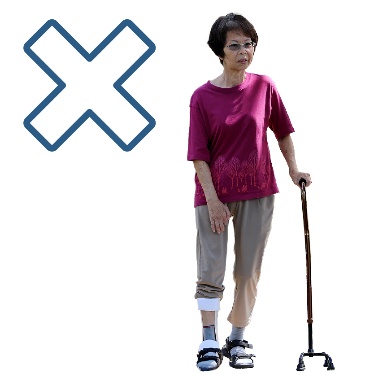
| | A mechanical restraint does not include equipment that supports people. For example, therapeutic devices. |
| | A therapeutic device is a device that:
|
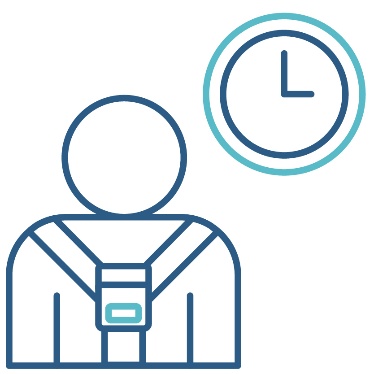
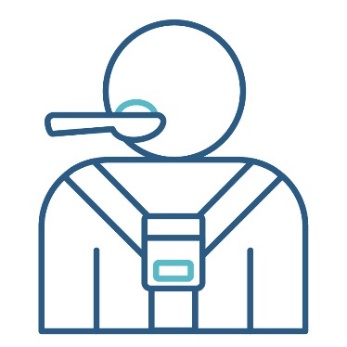
| | For example, a strap to support someone to sit and eat without choking. |
| | Only a doctor or health professional can give someone a therapeutic device. |
| | They must also create rules about the use of the therapeutic device. |


When a therapeutic device becomes a mechanical restraint
| A therapeutic device becomes a mechanical restraint when providers use it: | |
| | in a different way to what the rules say |
| | to change how a person behaves. |
| | For example, keeping the strap on the person after they have stopped eating. |
| | A therapeutic device also becomes a restrictive practice when the person doesn’t want to use it. |