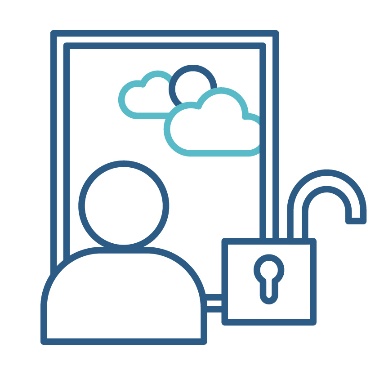
What is seclusion?
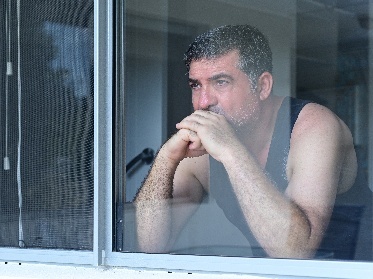
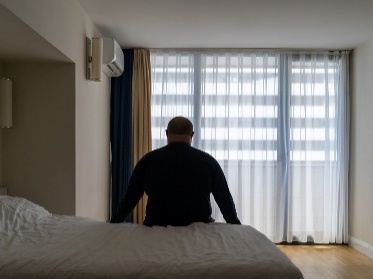
| | In this bulletin, we talk about seclusion. Seclusion is when someone is made to stay alone in a room or a space. | |
| | This includes when they:
or
| |
| | For example, if a provider sends a person to a room where they:
| |
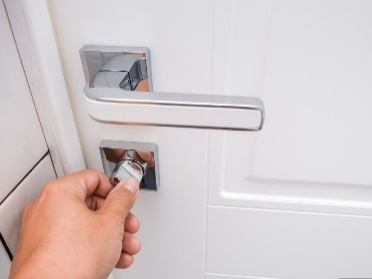
| | It’s also seclusion when a provider locks themself in a room away from the person. This means the person:
| |
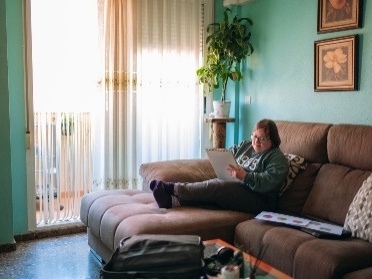
| | It’s not seclusion when a person:
| |
| | Seclusion is a type of restrictive practice. | |
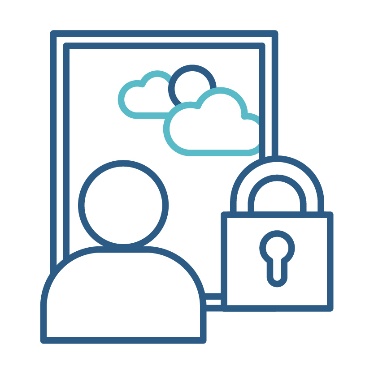
Rules providers must follow about seclusion
| | Providers must follow rules in our policy to use seclusion. | |||
| | Providers must only use seclusion if someone shows behaviours of concern. | |||
| | Behaviours of concern are things someone does that might put:
| |||
| | Providers must make sure seclusion has been included in the person’s behaviour support plan. | |||
| | A behaviour support plan is a document that explains what support a person needs. | |||
| | A Quality Assurance Panel is a group of people who must:
| |||
| A Quality Assurance Panel will make sure providers: | ||||
| | have tried better ways to support a person before using seclusion | |||
| | only use seclusion when it’s the least restrictive practice to keep people safe | |||
| | only use seclusion when it lowers the risk of harm to people | |||
| | only use seclusion when it doesn’t cause more harm than the behaviour | |||
| | only use seclusion for the shortest time possible. | |||



What a provider needs to think about
| | Providers must think about how seclusion affects a person before they use it. | |
| | Seclusion can cause more harm to a person that has experienced trauma. | |
| | Trauma is the way a person feels about something bad that happened to them. For example, they might feel very scared or stressed. Trauma can affect a person for a long time. | |
| | Providers should:
| |
This will help providers: | ||
| | understand how seclusion affects the person | |
| | try other ways to manage behaviour before they use seclusion | |
| | stop or use less seclusion. | |