Showing how we worked together in positive behaviour support

A document showing 2 people below a thumbs up icon.

In this bulletin, we looked at what good positive behaviour support looks like.

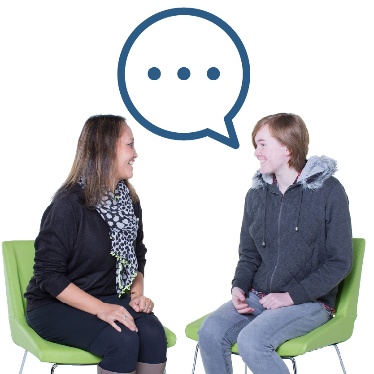
2 people talking.

Positive behaviour support works best when everyone who supports a person:

  • listens to what a person with disability wants and needs
  • works together.

A provider next to a thumbs up and a thought bubble with a tick inside of it.

This makes sure everyone who supports a person:

  • understands the person’s behaviour
  • meets the person’s needs
  • provides the right support.

Someone supporting a person while they talk to a practitioner.

Practitioners should ask the person who they want to support them when they meet.

A practitioner meeting with a person.

Practitioners must meet with the person to listen to their experiences and work together.

A practitioner shaking hands with a person.

Practitioners should build trust and connect with the person and their support people.

They can do this by:

A person sharing their experiences with someone else.

  • listening to a person’s past experiences

A practitioner asking questions about a person.

  • asking what a person wants and needs

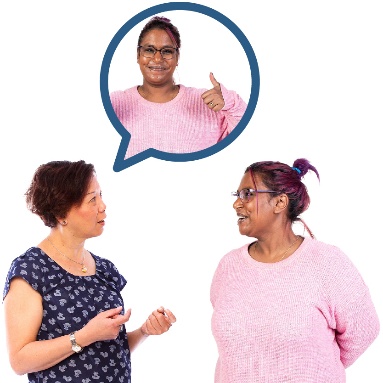
A practitioner talking to a person. There is a speech bubble next to them with a thumbs up inside of it.

  • talking about what a person does well

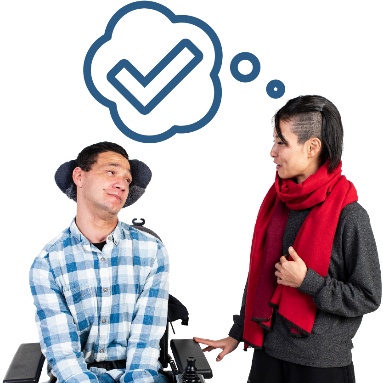
A practitioner talking to a person. There is a thought bubble next to them with a tick inside of it.

  • understanding what supports a person needs.

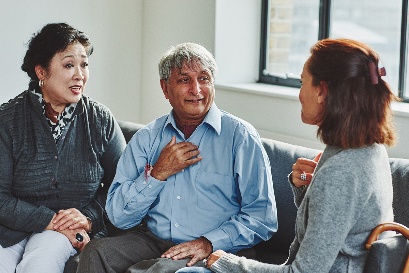
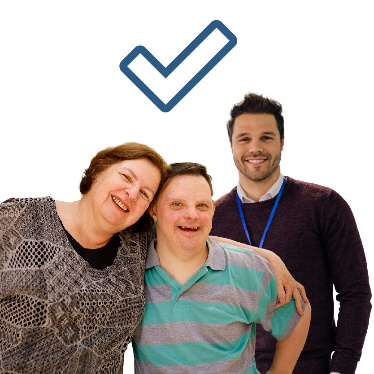
A practitioner with a person and someone who supports them. There is a tick above them.

Working together helps practitioners find out how to meet the needs of the person and their support team.

Proof that practitioners have worked together with people and their supports

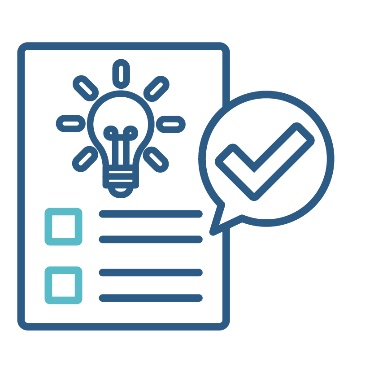
A behaviour support plan document. It has an icon of a lightbulb and 2 checkboxes on it. There is a speech bubble next to it with a tick inside of it.

A behaviour support plan includes proof that a practitioner has:

  • listened to the person’s ideas
  • worked together with the person and their supports.

For example, a behaviour support plan should include information about:

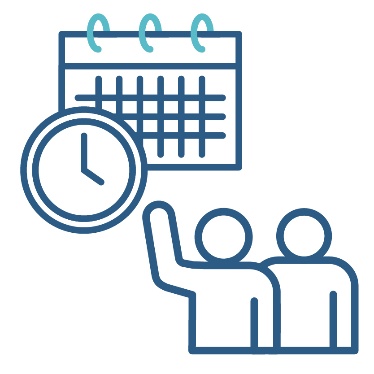
A calendar and a clock next to an icon of 2 people. One of the people is raising their hand.

  • when a practitioner met with the person and who else was there

Two people talking around a table.

  • what the person and their support people shared
  • For example, what they want and what could work better

A tick above 2 people pointing to themselves.

  • how to meet the needs of the person and their support team.

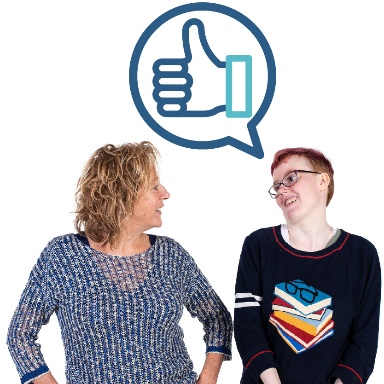
Someone supporting a person who is smiling. There is a thumbs up above them.

Good positive behaviour support can help a person live a good life.