What is supported decision making?
| | In this bulletin, we talk about supported decision making. | ||
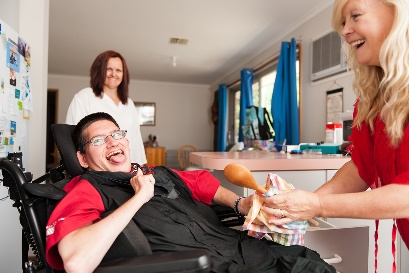
| | Supported decision making is when someone helps you make important decisions about your life and how you live. | ||
| | For example, your provider or behaviour support practitioner. | ||
| | Behaviour support practitioners work with a person to create a behaviour support plan. This plan might include restrictive practices. They follow the rules in our policy about restrictive practices. In this bulletin, we just call them practitioners. | ||
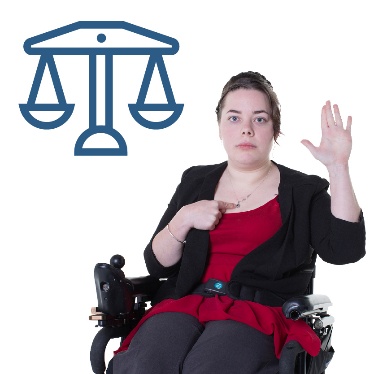
| | People with disability have the same rights as others to:
| ||


Supported decision making helps people: | |
| |
|
| |
|
Using supported decision making when there are restrictive practices
| | Providers and practitioners must use supported decision making for people with disability who need support to make decisions. |
For example, decisions about: | |
| |
|
| |
|
| |
|
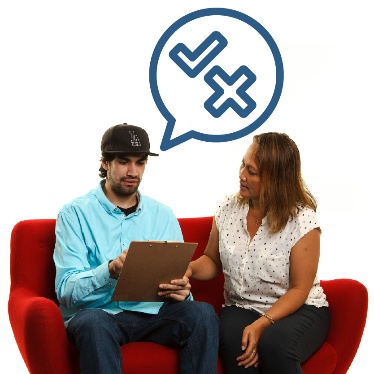
| | Providers and practitioners must find out how a person feels about the restrictive practices being used. |
| | They can only use restrictive practices if it keeps the person and others safe from harm. |
| | Providers and practitioners should include other people close to the person when supporting them to make decisions. For example, the person’s family or carer. |
| | When people with disability are supported to make their own decisions, they are less likely to show behaviours of concern. |
| | Behaviours of concern are things someone does that might put:
|
| | People might show behaviours of concern when they don’t get the support they need. |
| | When this happens, providers might use restrictive practices. |
| | Providers must learn what each person needs and wants. |
This will help providers: | |
| |
|
| |
|
| |
|