Understanding the needs of providers and support teams

In bulletin 15, we looked at a tool that can help people think about:

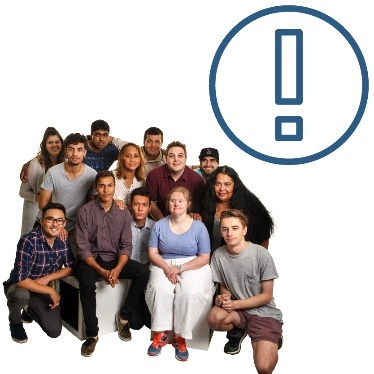
A large group of people. Above them is an importance icon.

  • important needs that everyone has

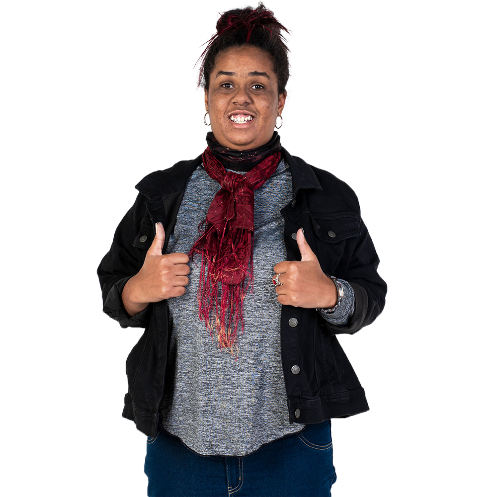
A person giving 2 thumbs up.

  • if supports are meeting a person’s needs.

A thought bubble. Inside the thought bubble is a person raising their hand and a tick.

This tool is called Understanding Me.

3 people. One person has a prosthetic arm. They are raising their hand.

In this bulletin, we look at:

  • what providers need
  • how they should help support teams
  • what support teams need.

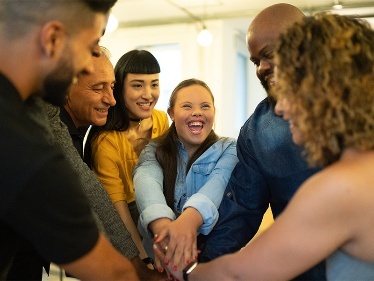
A group of people smiling putting their hands on top of each others.

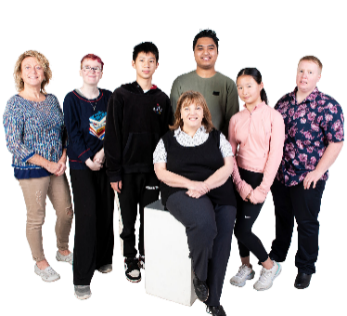
Support teams include all the people who provide support to a person with disability.

Every support team looks different.

A large group of people.

A person’s support team might include their:

  • family and friends
  • carers
  • support workers.

A good quality icon.

Quality is about providing good services that meet the needs of people with disability.

A problem icon. Next to it is an arrow pointing down.

When a person gets good quality support, they might have less behaviours of concern.

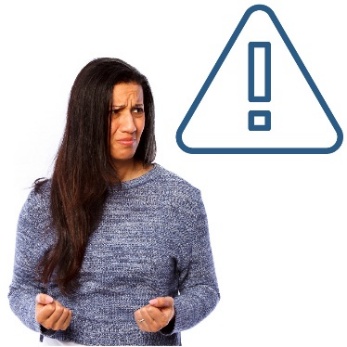
A person looking upset and curling their fingers into their palms. Above them is a danger icon.

Behaviours of concern are ways someone behaves that might put:

  • them in danger
  • other people in danger.

A stop sign and a restrictive practices icon.

When a person has less behaviours of concern, they might:

  • need less restrictive practices
  • not need restrictive practices at all.

What providers need

Providers need:

2 people giving a thumbs up.

  • leaders who use positive behaviour support

A person giving a thumbs up. Next to them is a document showing a list of rules.

  • clear rules about how to use positive behaviour support.

How providers should help support teams

Providers should help support teams to use positive behaviour support.

They should:

Above them is a thought bubble with a thumbs up inside it.

  • support team members to think about how to improve their support

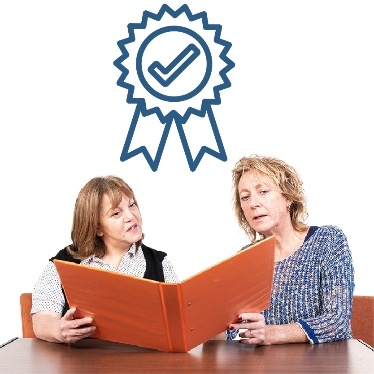
2 people looking at a document together. Above them is a good quality icon.

  • support team members to build their skills

2 people shaking hands.

  • help team members to work together

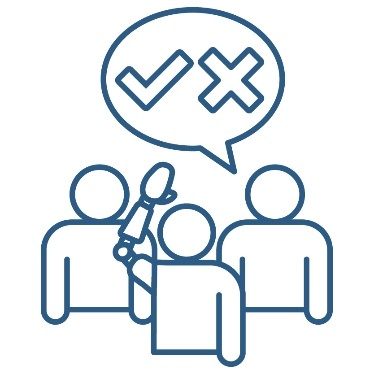
3 people. One person has a prosthetic arm. They are raising their hand. Another person has a speech bubble. Inside the speech bubble is a cross and a tick.

  • make sure team members include the person in decisions about their supports.

What support teams need

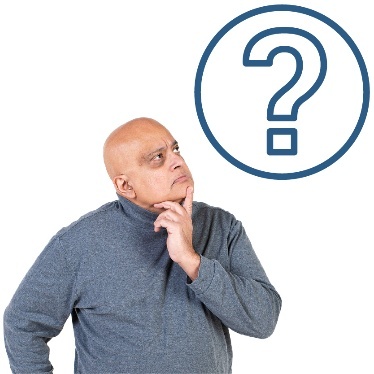
A person thinking. Above them is a question mark.

You can think about these questions to understand what support teams need.

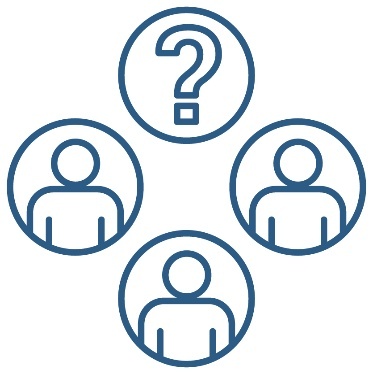
4 people. One person has a question mark over them.

Who is part of a person’s support team?

A person raising their hand. Behind them is a group of 3 people.

Is there anyone else who needs to be part of the support team?

3 people sharing a speech bubble. Instead the speech bubble is a light bulb. One person has an prosthetic arm.

Can each team member share their ideas?

2 speech bubble. One speech bubble has a thumbs up inside it and the other speech bubble has an exclamation mark inside it.

This includes sharing ideas about what:

  • is working well
  • could be better.

2 people shaking lands.

Is each team member treated with respect?

3 people sharing a thought bubble. One person has an prosthetic arm.

Does each person in the support team understand and use positive behaviour support?

2 people talking. Above them is a clock.

Does each person in the support team have enough time and support to use good positive behaviour support?

A group of people reading a document together.

Is everyone in the support team working together to support the person?

2 people looking at a document together.

Does each person in the support team have a chance to learn from each other?

2 people talking. Above them is an information icon.

Can each person in the support team get the information and support they need?

This includes:

2 people smiling together.

  • support from other team members

A person presenting to a group of people.

  • training to understand how to support people’s needs.

Learn more about the Understanding Me tool

A website icon - a search bar with 'www.' inside it and a mouse cursor hovering over it.

You can visit our website to learn more about the Understanding Me tool.

3 bulletins. One shows a number '10', one shows a number '14' and one shows a number '15'.

You can also learn more about this tool in: