What are the rules about using physical restraint?
| | In this bulletin, we talk about the rules you must follow about physical restraint. |
| | When you use physical restraint, you hold someone’s body so they can’t move:
|
| | Physical restraint is a type of restrictive practice. |
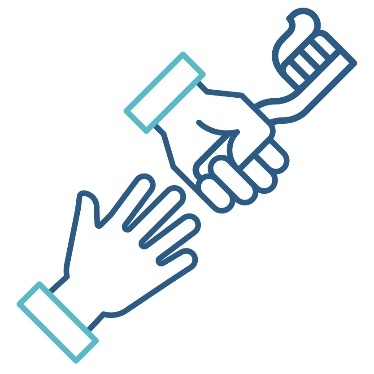
| | It might not be physical restraint if you use it to help someone do something. |
| | For example, if you gently move someone’s hand to help them brush their teeth. |
| | We explain the rules about using physical restraint below. |





| | Most types of physical restraint must be included in a person’s behaviour support plan. |
| | A behaviour support plan in a document that explains what support a person needs. |
| | Restrictive practices in a behaviour support plan must always be approved by a Quality Assurance Panel. |
| | A Quality Assurance Panel must:
|
| You can work out if something is physical restraint by: | |
| |
|
| |
|
| |
|
| | You might not need to include physical restraint in a person’s behaviour support plan if you:
and
|
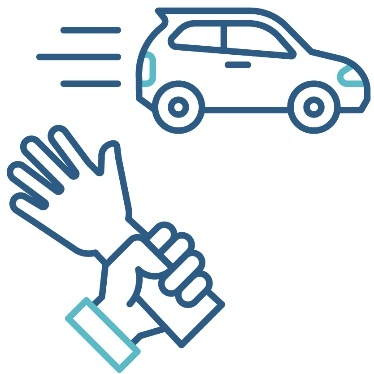
| | For example, if you hold a person’s arm once to stop them from crossing the road when cars are coming. This is a dangerous situation you don’t expect to happen. |
| | But if you need to hold a person’s arm every time they cross the road, you might need to include this in a person’s behaviour support plan. |








When physical restraint is included in a behaviour support plan
| | Providers must follow these rules when physical restraint is included in a person’s behaviour support plan. |
| | Providers must only use physical restraint when people are at risk of harm. |
| | Providers must try other ways to keep the person from harm before they use physical restraint. |
| | Providers must make sure their workers get the right training to use physical restraint safely. |
| | Providers should work with other health professionals to understand how physical restraint might affect the person. |
| | Providers should think about a person’s past experience with physical restraint. |
| | Providers should think about the person’s way of life and what they believe before they use physical restraint. |
| | Providers should never use physical restraint that could harm a person. |